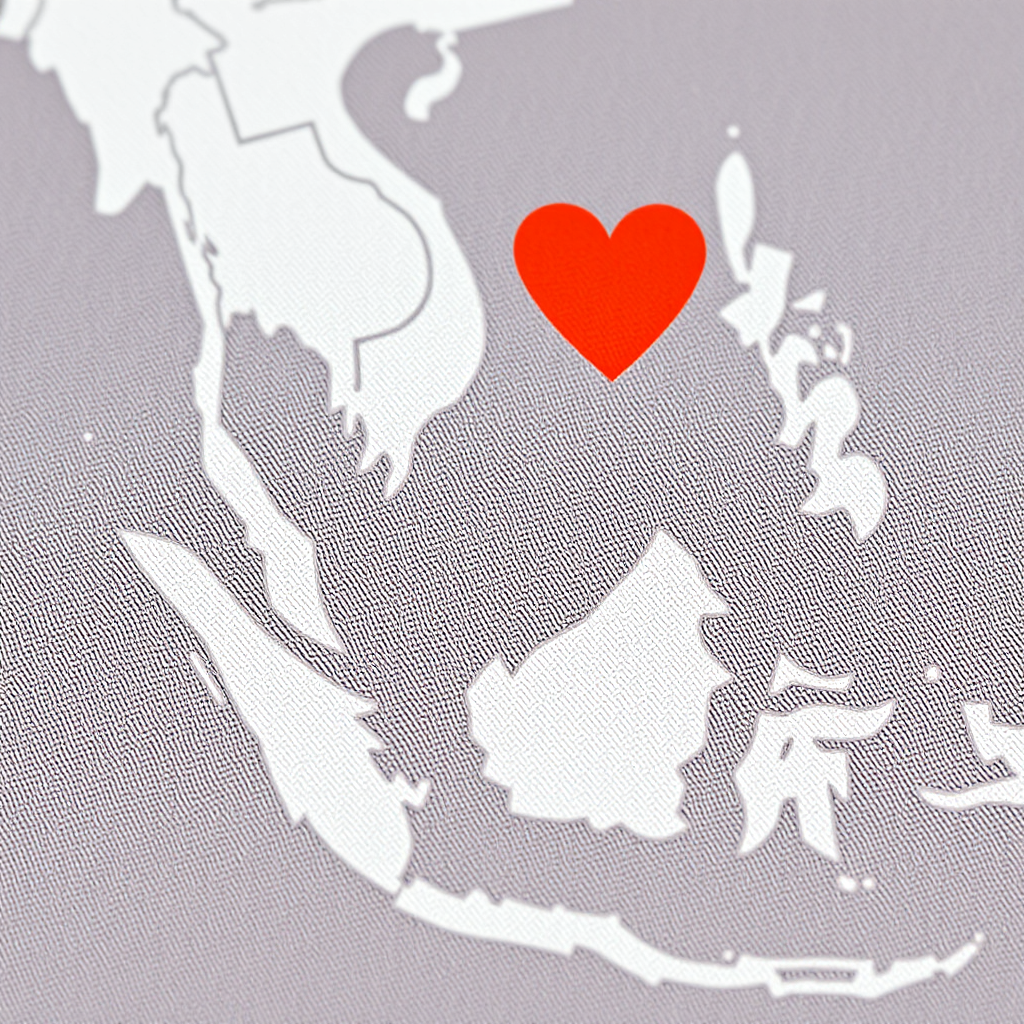
Notes on Southeast Asian Affairs
Relevant to Philippine Interests
Date: May 27, 2025
1. Escalation of Chinese Military Activity Near Taiwan
Summary: China has significantly ramped up its military readiness, with frequent airspace incursions, naval deployments, and the positioning of advanced missile systems capable of striking Taiwan from the mainland. Amphibious and air assault units are on standby.
Implications for the Philippines:
- Increased regional instability raises the risk of conflict spilling into Philippine maritime zones, especially in Northern Luzon and the Bashi Channel.
- The Armed Forces of the Philippines (AFP) may face pressure to increase northern coastal surveillance and readiness.
- Economic vulnerabilities tied to Taiwan (e.g., semiconductor imports) may be impacted by supply chain disruptions.
2. Unusual Civilian Incursions by Chinese Nationals
Summary: At least five cases of Chinese nationals crossing the Taiwan Strait using small or inflatable boats have occurred, with some landing undetected on Taiwan’s shores.
Implications for the Philippines:
- Points to potential gray-zone tactics that might be replicated in the West Philippine Sea, including Palawan and other contested areas.
- Strengthening of maritime domain awareness and civil-military coordination in Philippine coastal areas becomes essential.
3. Taiwan’s Shift to Asymmetric Defense
Summary: Taiwan is investing in drones, HIMARS precision systems, and domestically produced technologies to prepare for a possible invasion by 2027.
Implications for the Philippines:
- Provides a defense model for the Philippines, especially regarding asymmetric maritime defense against a larger power.
- Opportunity for joint defense dialogue or technical cooperation on emerging tech (e.g., drones, cyber defense).
4. U.S. Missile Deployment to Batanes, Philippines
Summary: The U.S. has deployed the advanced NMESIS anti-ship missile system to Batan Island, just 120 miles from Taiwan, reinforcing its deterrent posture.
Implications for the Philippines:
- Reaffirms the EDCA agreement and strengthens the Philippines’ role as a strategic U.S. partner in the First Island Chain.
- Raises the risk of retaliation or coercive diplomacy from China, possibly including economic pressure or cyber threats.
- May provoke internal debate over sovereignty and alliance management in Philippine political circles.
5. High-Level Diplomatic Visits (e.g., Guam Governor in Taiwan)
Summary: The Governor of Guam visited Taiwan, highlighting Guam’s importance in a contingency. The U.S. continues symbolic and practical support for Taiwan.
Implications for the Philippines:
- Emphasizes the importance of U.S. territories and allies in the region during a Taiwan crisis.
- Suggests the Philippines may face pressure to clarify its strategic stance—whether to support, remain neutral, or mediate.
6. Investor Anxiety and Market Volatility
Summary: Investors are increasingly seeing a Taiwan conflict as a real risk. Taiwanese stocks have seen capital flight, though some investors are returning.
Implications for the Philippines:
- Philippine markets may face volatility by association, especially in trade, investment, and tourism linked to China and Taiwan.
- This may affect OFW remittances, particularly if tensions reduce regional employment stability.
Recommendations for the Philippines
- Enhance Northern Defense Posture: Increase readiness in Batanes, Cagayan, and Ilocos regions.
- Maritime Awareness: Expand coast guard and AFP maritime patrols, especially around Palawan and Luzon Strait.
- Strategic Communications: Clarify the Philippines’ position on Taiwan within ASEAN and with key allies.
- Disaster and Conflict Preparedness: Prepare contingency plans for refugee influx, trade disruptions, or cyber-attacks.
- Economic Diversification: Reduce dependency on Taiwan- or China-centered supply chains where feasible.
Sources Used:
- Financial TimesHille, Kathrin. “China Improves Ability to Launch Sudden Attack on Taiwan, Officials Say.” Financial Times, May 2025.https://www.ft.com/content/c82eb38e-87cb-4468-b013-0f7fce0fc54b
- Associated PressKuo, Lily. “Chinese Citizens Crossing to Taiwan Raise Security Concerns.” AP News, May 21, 2025.https://apnews.com/article/1b51ac446f01c65b3dcb4f828620f8f6
- Wall Street JournalStraits, Marcus. “Taiwan’s Military Plans New Drone Units in Preparation for Potential China Invasion.” WSJ, May 24, 2025.https://www.wsj.com/world/asia/taiwans-military-plans-new-drone-units-in-preparation-for-potential-china-invasion-5e26bac0
- The GuardianDavidson, Helen. “Taiwan President Calls for Peace and Dialogue with China amid Heightened Military Activity.” The Guardian, May 20, 2025.https://www.theguardian.com/world/2025/may/20/taiwan-president-calls-for-peace-and-dialogue-with-china-amid-heightened-military-activity
- Wall Street JournalYoussef, Nancy A. “U.S. Aims to Keep Chinese Navy Guessing With New Missile System.” WSJ, May 2025.https://www.wsj.com/world/asia/nmesis-missile-system-us-china-pacific-ce7e1f7c
- Associated Press“Guam Governor Visits Taiwan, US Territory Would Play Key Role in China Invasion Scenario.” AP News, May 2025.https://apnews.com/article/d25b971142037b4ff75fce596bcdb539
- ReutersCurran, Enda. “No Place to Hide in Any China-Taiwan Conflict, Investors Say.” Reuters, May 22, 2025.https://www.reuters.com/world/china/no-place-hide-any-china-taiwan-conflict-investors-say-2025-05-22/
 Notes on Southeast Asia
Leave a comment