Notes on Southeast Asian Affairs, April 14, 2025
Brief on the Status of Muslims in Palawan, Philippines
Demographics and Distribution
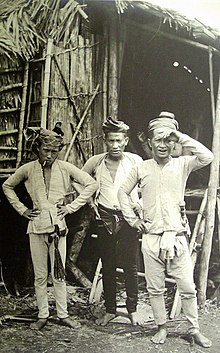
As of the 2020 Census, approximately 10.8% of Palawan’s population identifies as Muslim, equating to around 101,586 individuals. This makes Islam the second-largest religion in the province, following Roman Catholicism. The Muslim community is predominantly concentrated in the southern municipalities, particularly Balabac and Bataraza, where indigenous Muslim groups such as the Molbog reside. Additionally, migrant Muslim groups, including the Jama Mapun, Tausug, Maranao, Sama Pangutaran, and Yakan, have established communities in various parts of southern Palawan.
Historical Context
Islam was introduced to Palawan through the influence of the Sulu Sultanate, which extended its reach to the island. The Molbog people, indigenous to southern Palawan, embraced Islam as a result of this connection. Over time, intermarriage and trade further solidified Islamic practices among local populations.
Cultural and Social Dynamics
The Muslim population in Palawan is diverse, comprising both indigenous groups like the Molbog and migrant communities from other parts of the Philippines. This diversity leads to variations in Islamic practices, languages spoken, and levels of integration with the broader Palawan society. While some communities have maintained traditional practices, others have adapted to the influences of neighboring cultures and the Philippine state.
Challenges and Opportunities
Muslim communities in Palawan face challenges such as limited access to education, healthcare, and economic opportunities. Additionally, there have been instances of land disputes and marginalization. However, efforts are underway to promote inclusivity and development. Government programs aim to address disparities, and interfaith dialogues are fostering better understanding among different religious groups in the province.
Conclusion
Muslims in Palawan represent a significant and diverse segment of the province’s population. Their rich cultural heritage and historical ties to the region contribute to Palawan’s multicultural identity. Addressing the challenges faced by these communities through inclusive policies and community engagement is essential for the province’s harmonious development.
 Notes on Southeast Asia
Leave a comment