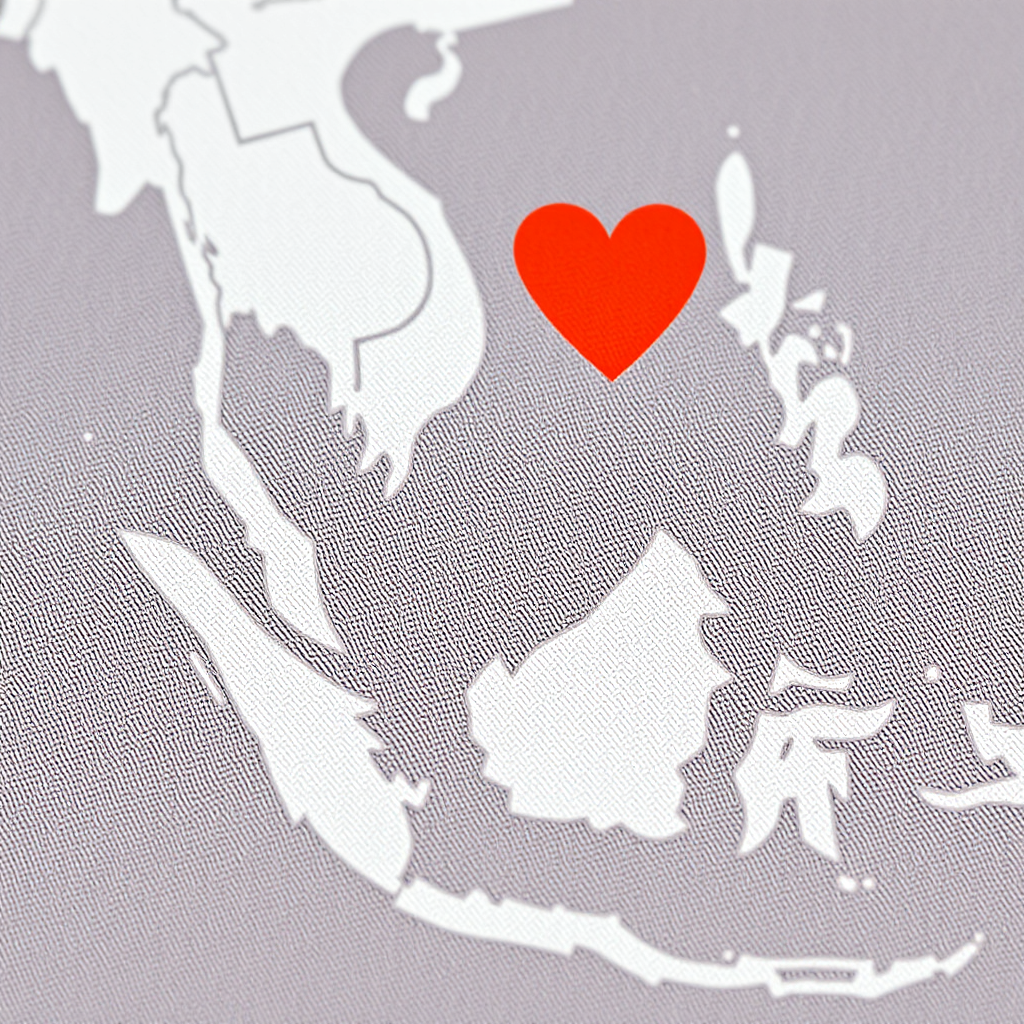
Notes on Southeast Asian Affairs, April 13 2025

Attention: This brief is intended to reflect a commitment to peaceful resolution, national resilience, and rule-based diplomacy. While addressing serious security concerns, the aspiration is informed preparation, regional cooperation, and the defense of international norms in ways that respect all parties.
To address China’s growing assertiveness, particularly in the South China Sea, the Philippines is adopting a comprehensive strategy that leverages its geopolitical position, strengthens its defenses, and mitigates vulnerabilities. Below are key steps, followed by a comparative analysis of NATO’s context vis-à-vis Russia.
Key Preparation Steps
Strengthen Regional and Global Alliances
- Action: Enhance military cooperation with the United States (via the Mutual Defense Treaty), Japan, Australia, and ASEAN neighbors like Vietnam and Indonesia through joint exercises, intelligence sharing, and defense pacts.
- Rationale: Alliances amplify deterrence against China’s maritime aggression. The U.S.-Japan-Philippines trilateral framework, for instance, bolsters regional security.
- Context: As an archipelagic nation, the Philippines relies on bilateral and emerging regional partnerships rather than a unified alliance like NATO, necessitating proactive coalition-building.
Public Education and Civil Defense
- Action: Launch nationwide programs to educate citizens on the South China Sea dispute and train them in civil defense skills, such as first aid and emergency response.
- Rationale: An informed and prepared populace enhances national resilience, critical in a potential conflict zone.
- Context: The Philippines’ 7,000+ islands require decentralized, community-based training, tailored to maritime threats rather than land-based conflicts.
Economic Diversification and Resilience
- Action: Reduce reliance on China by diversifying trade with the U.S., Japan, and the EU, while boosting domestic industries like agriculture and manufacturing.
- Rationale: China’s economic leverage can be countered by broadening economic ties.
- Context: Unlike NATO countries with limited economic dependence on Russia, the Philippines must carefully manage its significant trade relationship with China.
Military Modernization and Infrastructure
- Action: Prioritize naval and air forces, modernizing the Philippine Coast Guard and Navy, and build infrastructure like ports, airfields, and surveillance systems.
- Rationale: China’s tactics (e.g., water cannon use, swarming) in the South China Sea demand a strong maritime defense.
- Context: The Philippines’ island geography necessitates sea and air-focused capabilities, contrasting with NATO’s land-centric priorities.
Diplomatic Engagement and Legal Frameworks
- Action: Push for a substantive ASEAN-China Code of Conduct (CoC) and uphold the 2016 arbitral ruling against China’s claims.
- Rationale: Diplomacy can de-escalate tensions, though China’s rejection of legal norms requires parallel military readiness.
- Context: ASEAN’s consensus-driven approach limits its efficacy, unlike NATO’s cohesive framework, making bilateral diplomacy and international law vital for Manila.
Comparative Analysis: Philippines vs. NATO-Russia Context
Similarities
- Geopolitical Tension: Both the Philippines and NATO countries confront a powerful, expansionist neighbor—China and Russia, respectively—threatening territorial integrity and international norms.
- Military Preparedness: Each requires robust alliances and military readiness to deter aggression. The Philippines’ U.S. treaty mirrors NATO’s collective defense commitments.
- Public Awareness: Both need to educate and prepare citizens for potential conflict, as seen in Poland’s civilian defense initiatives and the Philippines’ need for similar programs.
Comparative Analysis: Philippines vs. NATO-Russia Context
Similarities
- Geopolitical Tension: Both the Philippines and NATO countries confront a powerful, expansionist neighbor—China and Russia, respectively—threatening territorial integrity and international norms.
- Military Preparedness: Each requires robust alliances and military readiness to deter aggression. The Philippines’ U.S. treaty mirrors NATO’s collective defense commitments.
- Public Awareness: Both need to educate and prepare citizens for potential conflict, as seen in Poland’s civilian defense initiatives and the Philippines’ need for similar programs.
Dissimilarities
- Geographical Context:
- Philippines: An archipelago, requiring naval and air defenses to protect maritime claims in the South China Sea.
- NATO: Predominantly land-based, focusing on ground forces and border security against Russia.
- Economic Ties:
- Philippines: Deeply tied to China economically, necessitating a delicate balance between confrontation and cooperation.
- NATO: Less economically reliant on Russia, allowing for stronger sanctions and isolation strategies.
- Alliance Structure:
- Philippines: Depends on bilateral agreements (e.g., U.S.) and weaker regional frameworks like ASEAN.
- NATO: Benefits from a mature, multilateral alliance with integrated command and resources.
- Strategic Focus:
- Philippines: Faces maritime disputes, requiring a focus on sea control and coastal defense.
- NATO: Emphasizes land deterrence and rapid response along eastern borders.
Conclusion
The Philippines is pursuing a multi-pronged strategy—fortifying alliances, educating its populace, diversifying its economy, modernizing its military, and engaging diplomatically—to counter China’s assertiveness. While sharing similarities with NATO’s response to Russia (e.g., alliance-building, public readiness), the Philippines’ archipelagic nature, economic ties with China, and reliance on bilateral partnerships demand a distinct approach. By blending deterrence with resilience, Manila is seeking to safeguard its sovereignty in an increasingly volatile Asia-Pacific region.
 Notes on Southeast Asia
Leave a comment