Notes: Southeast Asian Affairs – April 12, 2025
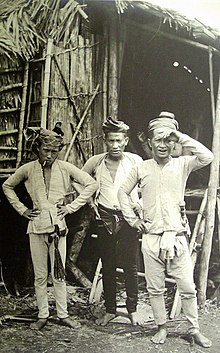
The autonomous Muslim region of the Philippines is called the Bangsamoro Autonomous Region in Muslim Mindanao (BARMM). It replaced the previous Autonomous Region in Muslim Mindanao (ARMM) in 2019 following a plebiscite. The BARMM has greater political and economic autonomy and was established as part of the peace process between the Philippine government and the Moro Islamic Liberation Front.
BARMM Leadership Briefing
The Bangsamoro Autonomous Region in Muslim Mindanao (BARMM) operates under a parliamentary system unlike the rest of the Philippines which uses a presidential system. Here’s what you should know:
Governance Structure
Bangsamoro Government:
• Led by a Chief Minister (head of government)
• Comprised of the Bangsamoro Parliament (legislative body)
• Has greater fiscal autonomy and control over natural resources than previous ARMM
Key Leadership:
• Chief Minister: Ahod “Al Haj Murad” Ebrahim (former chairman of the Moro Islamic Liberation Front)
• Parliament: 80 members, with a mix of elected representatives and appointed officials
Ministries:
• Education
• Finance
• Social Services
• Public Works
• Health
• Transportation
• Indigenous Peoples’ Affairs
• Agriculture, Fisheries, and Agrarian Reform
• Environment, Natural Resources, and Energy
Diplomatic Considerations
Protocol Awareness:
• Islamic customs and traditions are important in official meetings
• Modest dress is appreciated (especially for women)
• Offering and accepting refreshments with the right hand is customary
• Friday is an important prayer day; avoid scheduling important meetings during prayer times
Political Sensitivities:
• The region’s relationship with the central Philippine government is complex and evolving
• Many leaders have backgrounds in former rebel movements
• Resource sharing and autonomy boundaries remain sensitive topics
• The region is still establishing its governance systems
Cultural Awareness:
• The population is predominantly Muslim but includes indigenous communities and Christians
• Multiple languages are spoken (Filipino, English, and local languages like Tausug, Maguindanaoan, Maranao)
• Traditional leadership structures like Sultanates still hold cultural significance
Current Priorities:
• Economic development and poverty reduction
• Infrastructure building
• Education system development
• Peace and security consolidation
• Management of natural resources
When meeting with BARMM officials, acknowledging their autonomy while respecting the overall Philippine sovereignty is important. Leaders appreciate recognition of the region’s distinct cultural and religious identity within the Philippines.
 Notes on Southeast Asia
Leave a comment