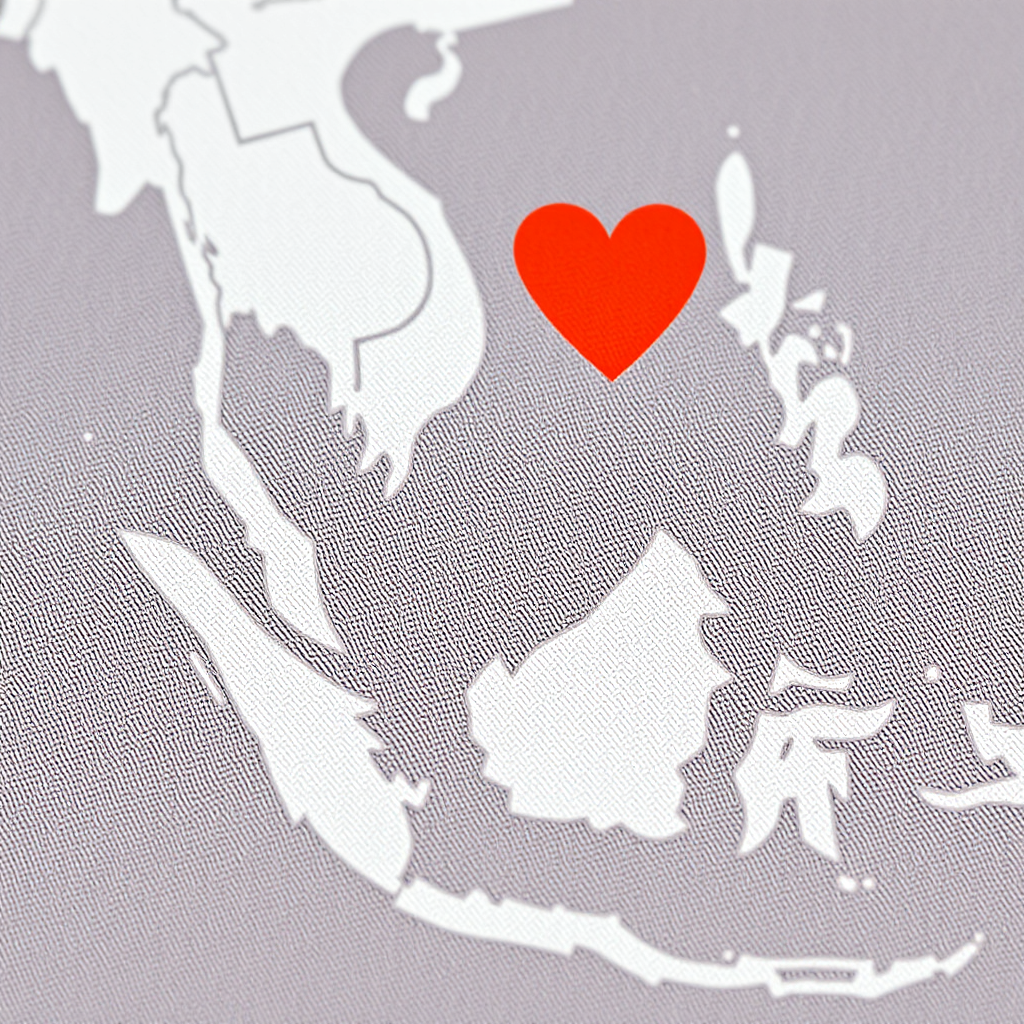
The Philippines’ Role in U.S.–China Trade War Scenarios (2025–2030)
Notes on Southeast Asian Affairs – April 11, 2025
Executive Summary
In the last 24 hours, the U.S. has escalated tariffs on Chinese goods to 145%, while China maintains retaliatory tariffs at 84%. This escalation has heightened market volatility, triggered sharp declines in global stock indices, and deepened concerns of a global recession. This comprehensive study reevaluates the strategic options available to the Philippines in the context of five projected trade war scenarios, emphasizing resilience, diplomatic positioning, and economic sovereignty.
Table of Contents
1. Introduction
2. Current Developments
3. Scenario Analysis
4. Strategic Implications for the Philippines
5. Policy Recommendations
6. Conclusion
1. Introduction
The U.S.–China trade conflict continues to evolve, now intensified with a new round of tariff increases. The Philippines, positioned at a critical geopolitical and economic crossroads, must navigate these developments with strategic foresight. This study examines long-term implications, presents future scenarios, and offers recommendations for national preparedness and engagement.
2. Current Developments
As of the last 24 hours, President Trump has raised U.S. tariffs on Chinese goods to 145%, citing national security and trade imbalances. In response, China has maintained 84% tariffs and launched new export controls on key technologies. Global markets have reacted sharply, with Asian markets down 4–6%. Analysts now predict a prolonged trade war with risks of reduced global GDP and major supply chain disruptions.
3. Scenario Analysis
Scenario 1: Prolonged Stalemate
The trade war continues with no negotiations. Tariffs remain high and more sectors are targeted.
The Philippines becomes a maritime balancing actor, promoting ASEAN diplomacy and trade diversification.
Scenario 2: China Rebounds Stronger
China weathers the storm with stimulus, BRI expansion, and digital currency growth.
The Philippines faces diplomatic pressure but can benefit economically if terms are favorable.
Scenario 3: U.S. Reasserts Dominance
U.S. solidifies Indo-Pacific alliances. China’s growth is curtailed by sanctions and market exclusion.
The Philippines becomes a key ally but must manage Chinese retaliation and cyber threats.
Scenario 4: Mutual Compromise
A deal is reached post-2026 as political cycles shift. Partial rollback of tariffs.
The Philippines plays a role in mediation and benefits from economic stabilization.
Scenario 5: Global Economic Disruption
Trade volumes collapse. Global GDP shrinks 7%. Energy, food, and tech prices spike.
The Philippines faces inflation, unemployment, and capital flight but can emerge stronger with reforms.
4. Strategic Implications for the Philippines
The trade war has forced middle-power nations to recalibrate their positions. For the Philippines, the implications include:
– Need for policy agility in a bipolar trade environment
– Greater defense reliance on allies
– Heightened vulnerability to food and energy shocks
– Pressure to adopt digital economy reforms
– Rising influence in ASEAN forums and regional negotiations
5. Policy Recommendations
1. Strengthen economic resilience through agri-tech, local manufacturing, and energy independence.
2. Diversify trade with India, Japan, ASEAN, and Middle Eastern partners.
3. Reinforce security partnerships, especially through EDCA and QUAD-aligned initiatives.
4. Promote inclusive digital innovation and cyber defense measures.
5. Build social safety nets for displaced workers, particularly in manufacturing and OFW remittance channels.
6. Assert maritime rights diplomatically while avoiding unnecessary military escalation.
6. Conclusion
The Philippines must prepare for long-term uncertainty driven by the intensifying U.S.–China trade conflict. A multi-layered national strategy that combines defense, diplomacy, economic innovation, and social stability will be essential to safeguarding sovereignty and prosperity.
 Notes on Southeast Asia
Leave a comment