Notes on Southeast Asian Affairs – April 11, 2025
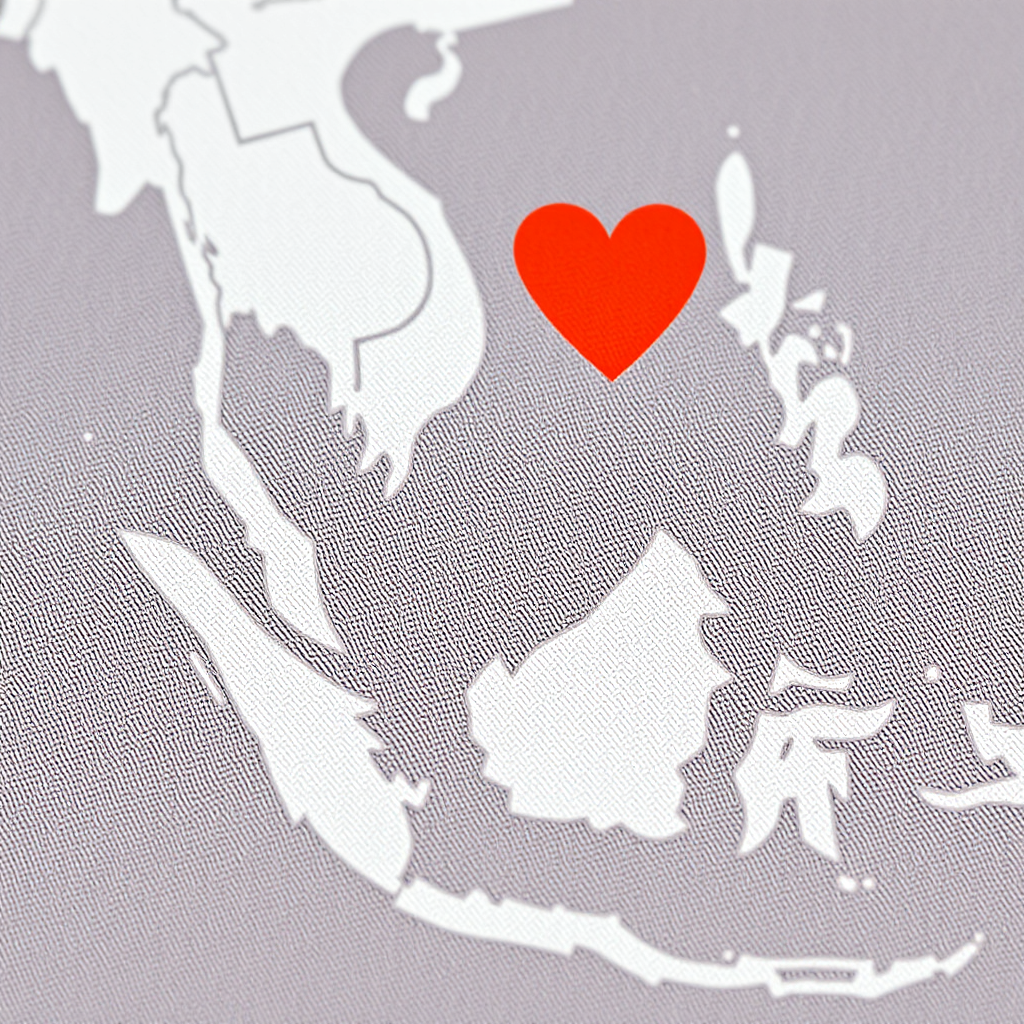
China’s expansion in the West Philippine Sea, part of the broader South China Sea dispute, is a complex and multifaceted issue with significant geopolitical implications. Here are the ten most important things to know about this ongoing situation:
- Historical Claims: China bases its claims on the “nine-dash line,” a demarcation that encompasses most of the South China Sea. This line appears on Chinese maps dating back to the 1940s, and China asserts historical rights over the area, which are contested by neighboring countries and not widely recognized internationally.
- Philippines’ Legal Stand: The Philippines, asserting its rights within its Exclusive Economic Zone (EEZ), challenged China’s claims in the Permanent Court of Arbitration in The Hague. In 2016, the tribunal ruled in favor of the Philippines, stating that China’s claims had no legal basis under the United Nations Convention on the Law of the Sea (UNCLOS).
- Militarization of the Area: China has undertaken significant militarization of several islands in the South China Sea. This includes the construction of military installations, airstrips, and radar facilities on reclaimed islands, escalating tensions in the region.
- Economic Impact: The West Philippine Sea is rich in resources, including vast fishing grounds and potential oil and gas deposits. Control over these resources is a major economic stake for the Philippines, which relies heavily on the area for food security and energy needs.
- Impact on Regional Security: The dispute affects not just China and the Philippines but also involves other countries with claims in the South China Sea, including Vietnam, Malaysia, Brunei, and Taiwan. The overlapping claims lead to regional tensions and affect international relations.
- International Responses: The United States, among other nations, does not recognize China’s territorial claims and conducts “freedom of navigation” operations in the South China Sea to challenge China’s extensive maritime claims. These operations are intended to assert the right of free passage in international waters.
- Environmental Concerns: Large-scale land reclamation and the construction of artificial islands have caused significant environmental damage, including the destruction of coral reefs and other marine ecosystems, which are crucial for regional marine biodiversity.
- Economic Exclusion Zone (EEZ) Rights: According to UNCLOS, the Philippines’ EEZ extends 200 nautical miles from its baseline, within which it has the rights to explore, exploit, conserve, and manage natural resources, both living and non-living.
- Diplomatic Efforts: Both China and the Philippines, along with other claimant countries, have engaged in diplomatic negotiations to manage the disputes, though with limited success. The Association of Southeast Asian Nations (ASEAN) has also been involved in seeking a peaceful resolution through dialogue.
- Impact on the Local Populations: The dispute directly affects the livelihoods of local fishermen, who often find themselves caught in the middle of naval standoffs, facing harassment or being barred from traditional fishing grounds.
The Philippine government claims the Spratley island group as part of Palawan, whereas China views it as administered by Hainan.
Understanding these key points provides a clearer picture of the stakes involved in the West Philippine Sea dispute and the challenges in resolving tensions in this vital maritime region.
Subscribe to this newsletter for more in depth notes on Southeast Asian affairs.
 Notes on Southeast Asia
Leave a comment